Good questions.
Better equipment choices.
Practical reading for your next container home, kit build or conversion project.
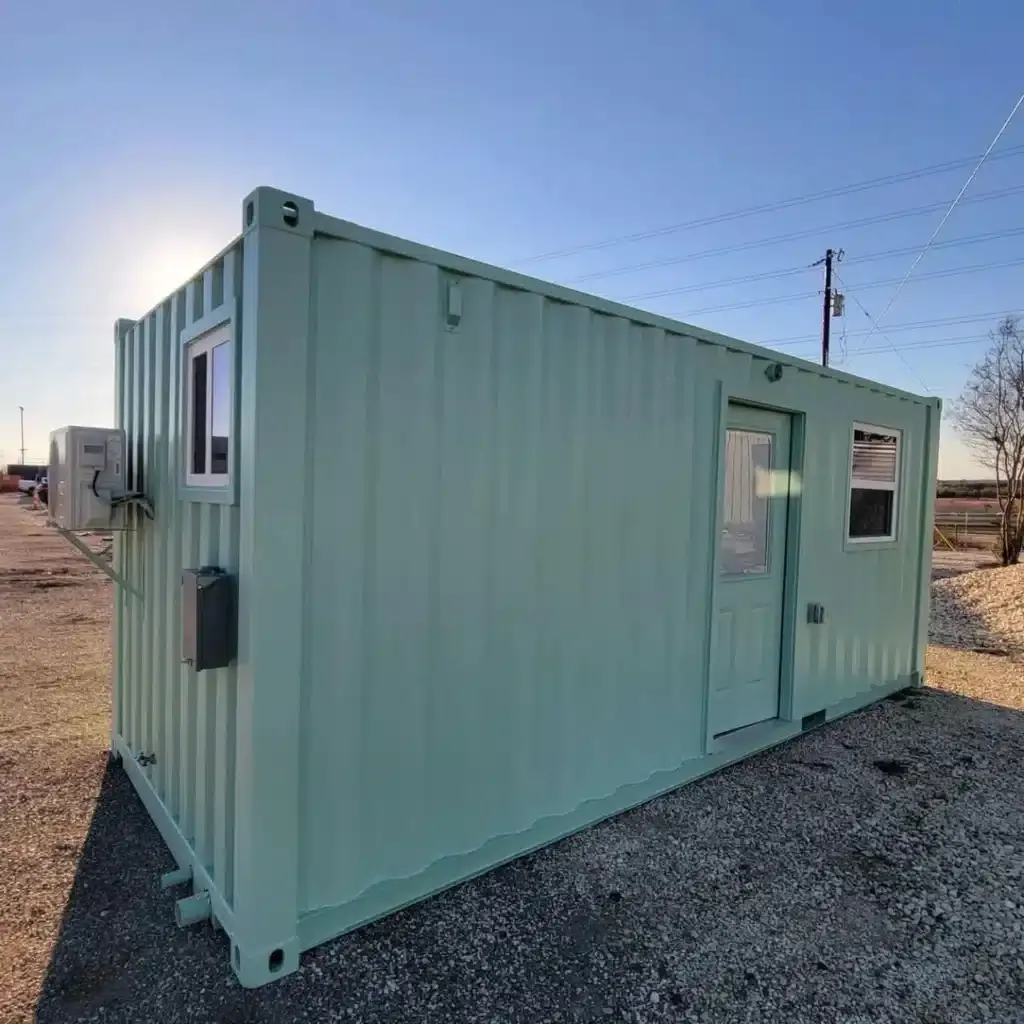
Choose the home that fits the block.
Start with how you will live in it, and with what the site allows — not the length printed on the listing.
Read the guide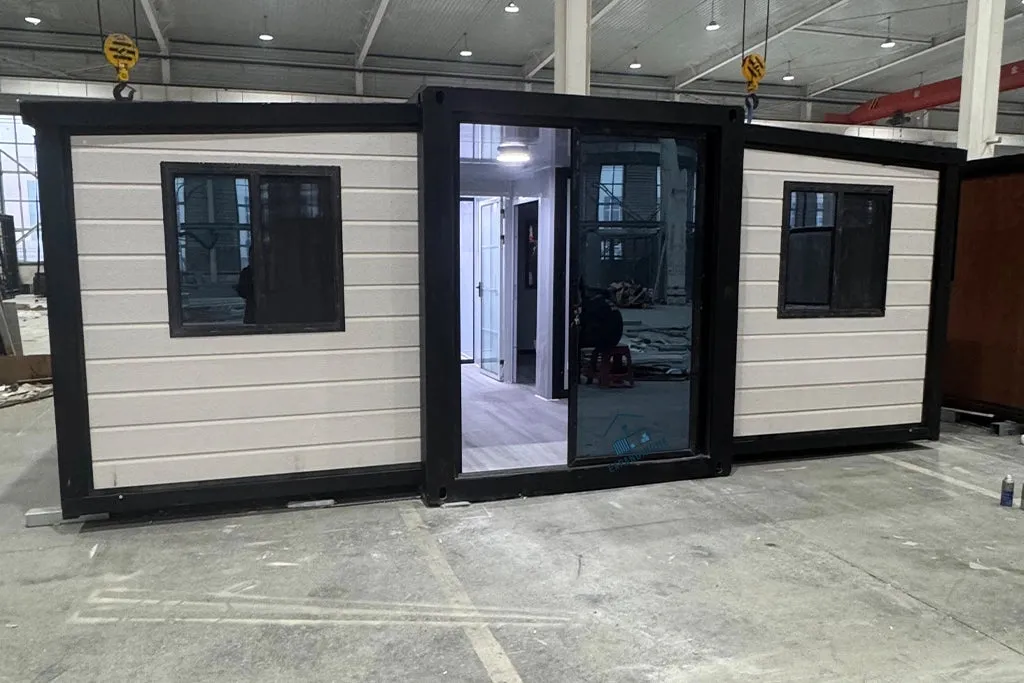
Expandable or modular: the choice that shapes the project.
Both get you more floor area than a single container. They get there in very different ways, and your site usually decides which.
Read the guide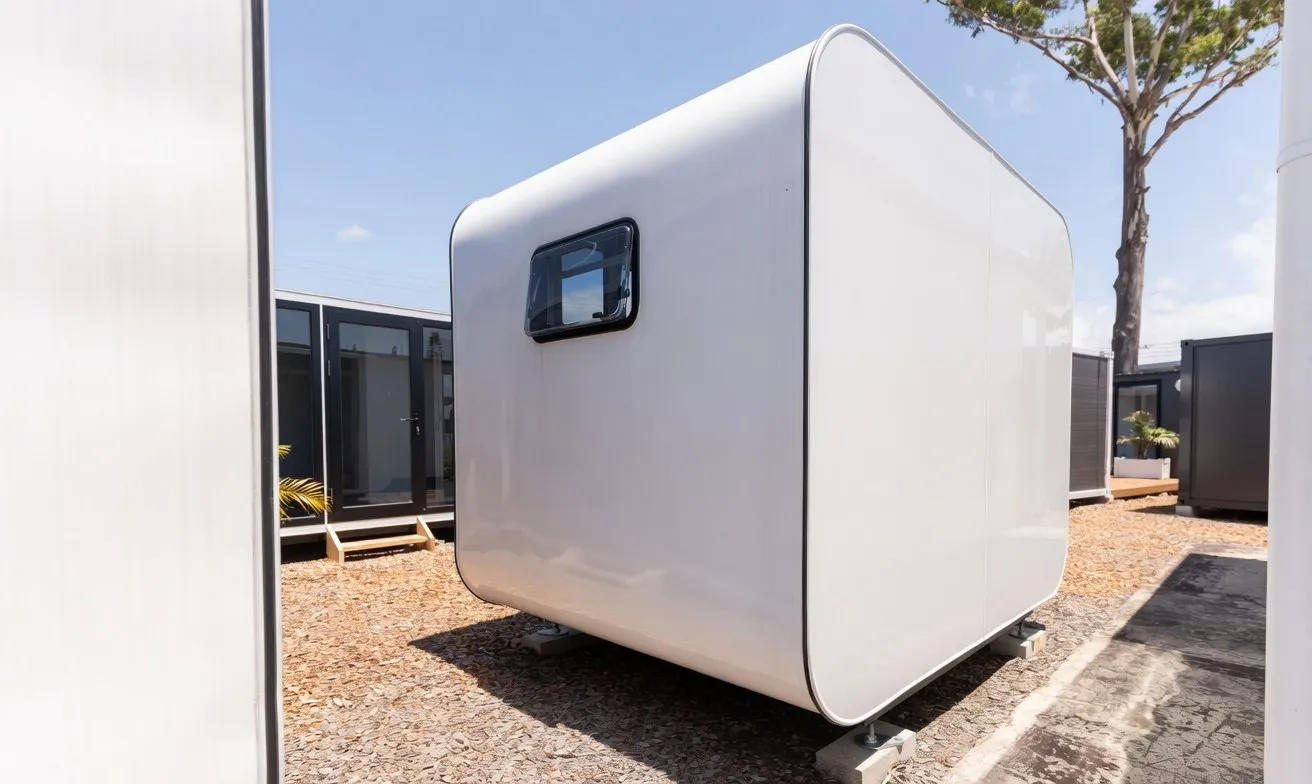
Get your site ready for container delivery.
The entrance, access route and unloading area matter as much as the final placement spot.
Read the guideTurn a container idea into a clear project brief.
A good brief connects the layout, fit-out and site so the quote describes a complete scope.
Read the guide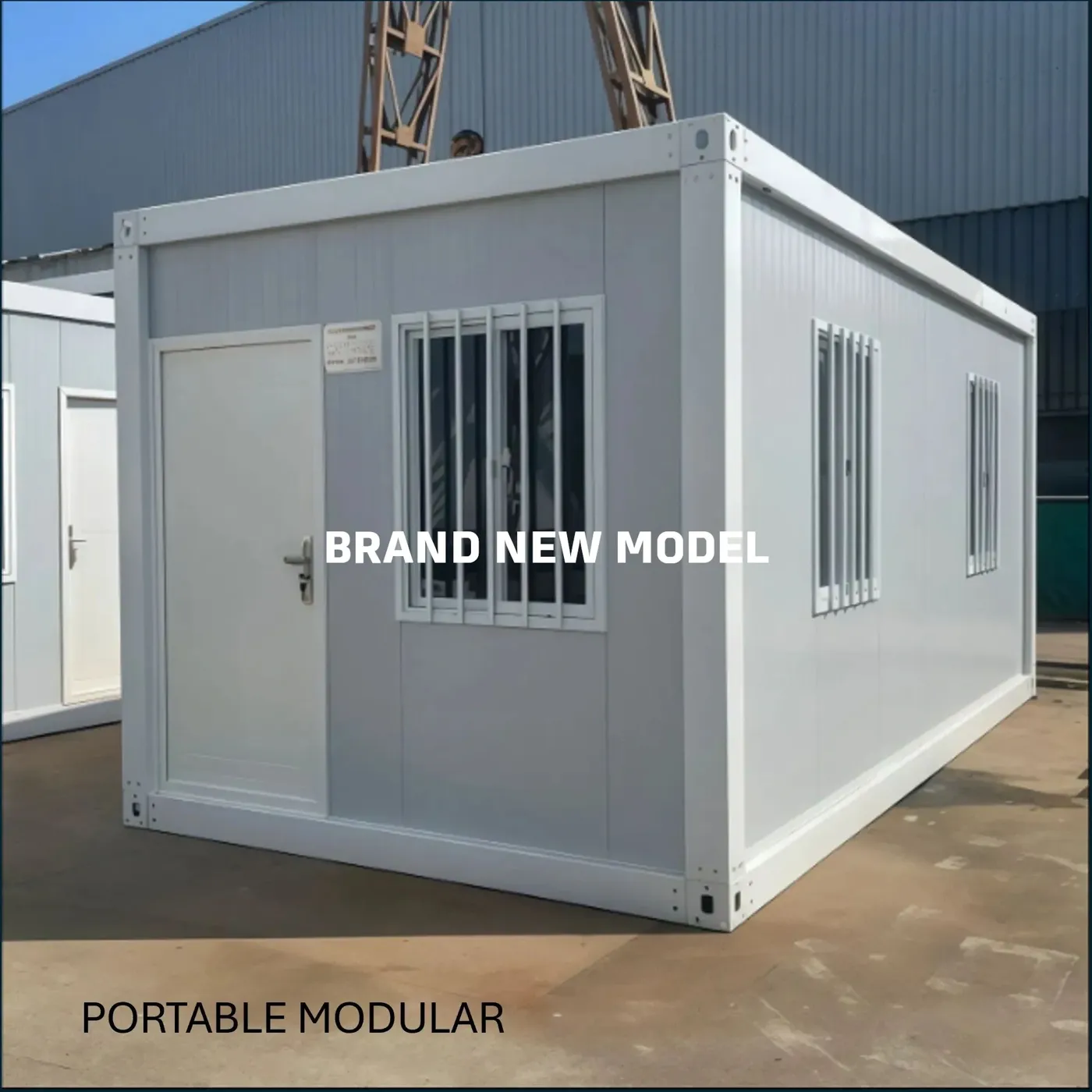
What goes under the container matters more than the container.
A container home is only as square as the ground beneath it. Get the base wrong and the doors tell you within a season.
Read the guideStorage or occupied: the question that sets your permit path.
Nearly every approval question answers itself once you decide what the unit is actually for.
Read the guide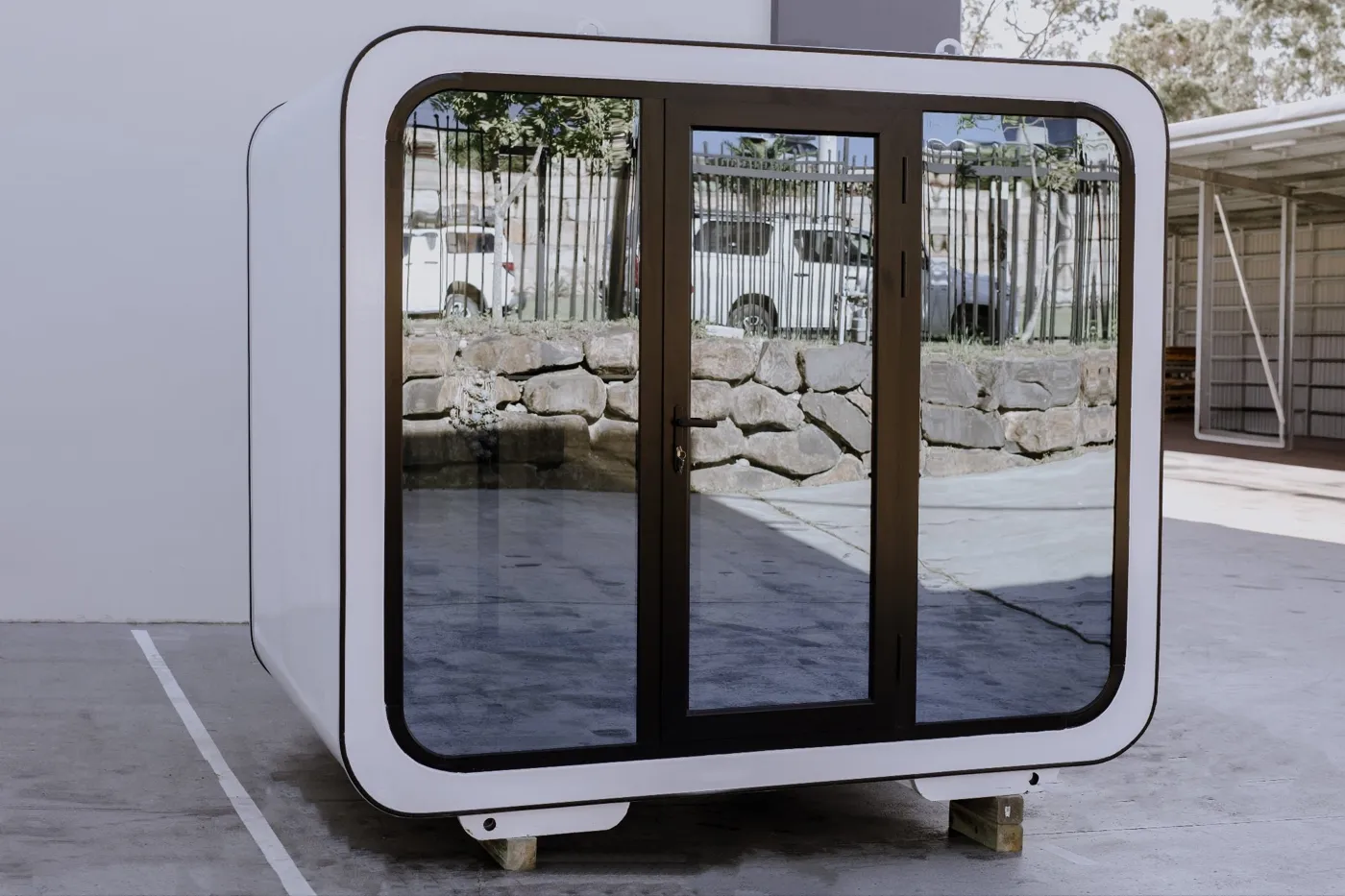
Ceiling height: one foot that changes the whole build.
The extra height sounds like a small upgrade. In a space you are going to line, insulate and live in, it decides the project.
Read the guideCondensation is the problem. Insulation is only half the answer.
A steel box in a Maine winter will rain on its own contents unless the build is designed to stop it.
Read the guide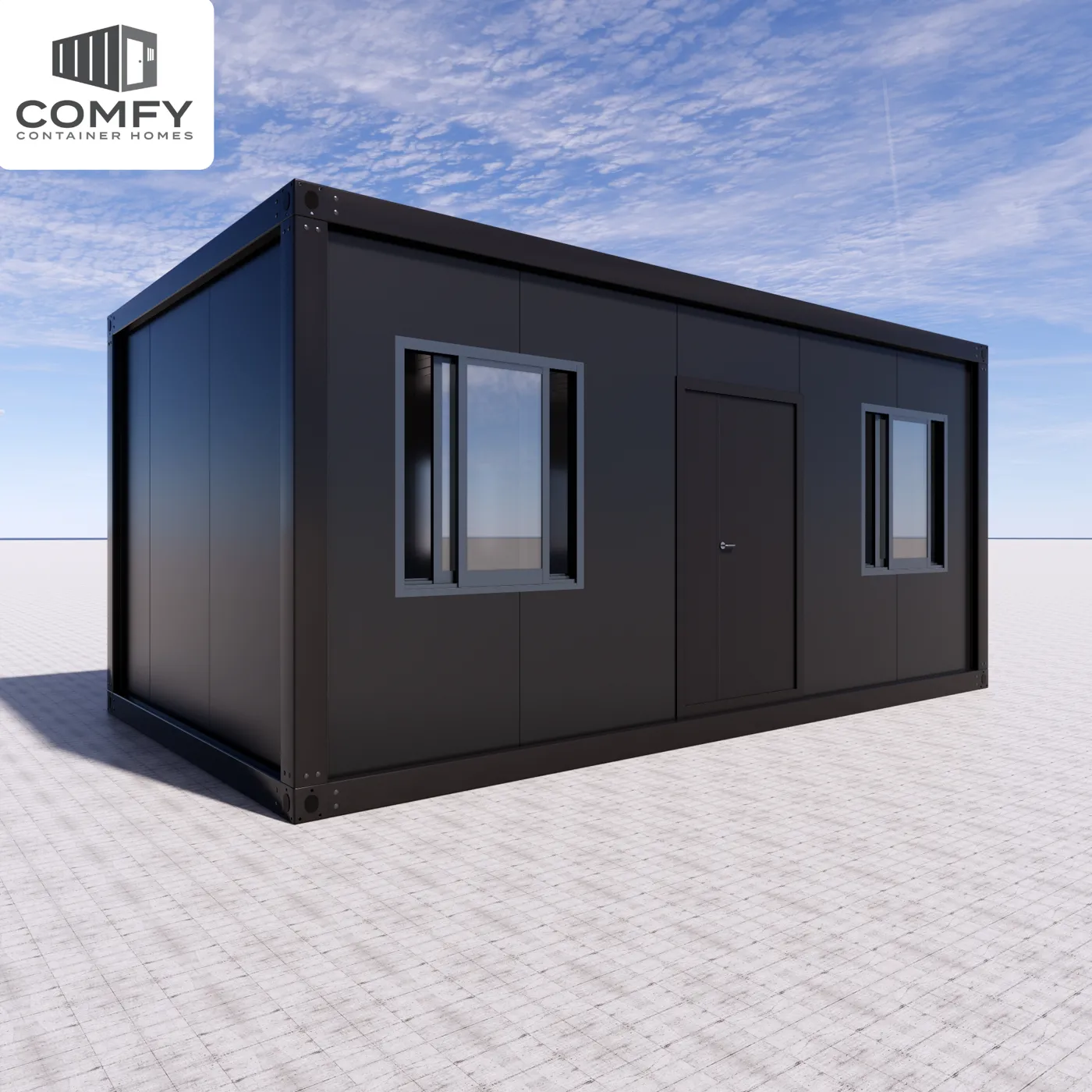
Flat-pack kits: what you are actually buying.
The headline price is attractive because it is a component package, not a finished building. Knowing where that line sits is the whole job.
Read the guide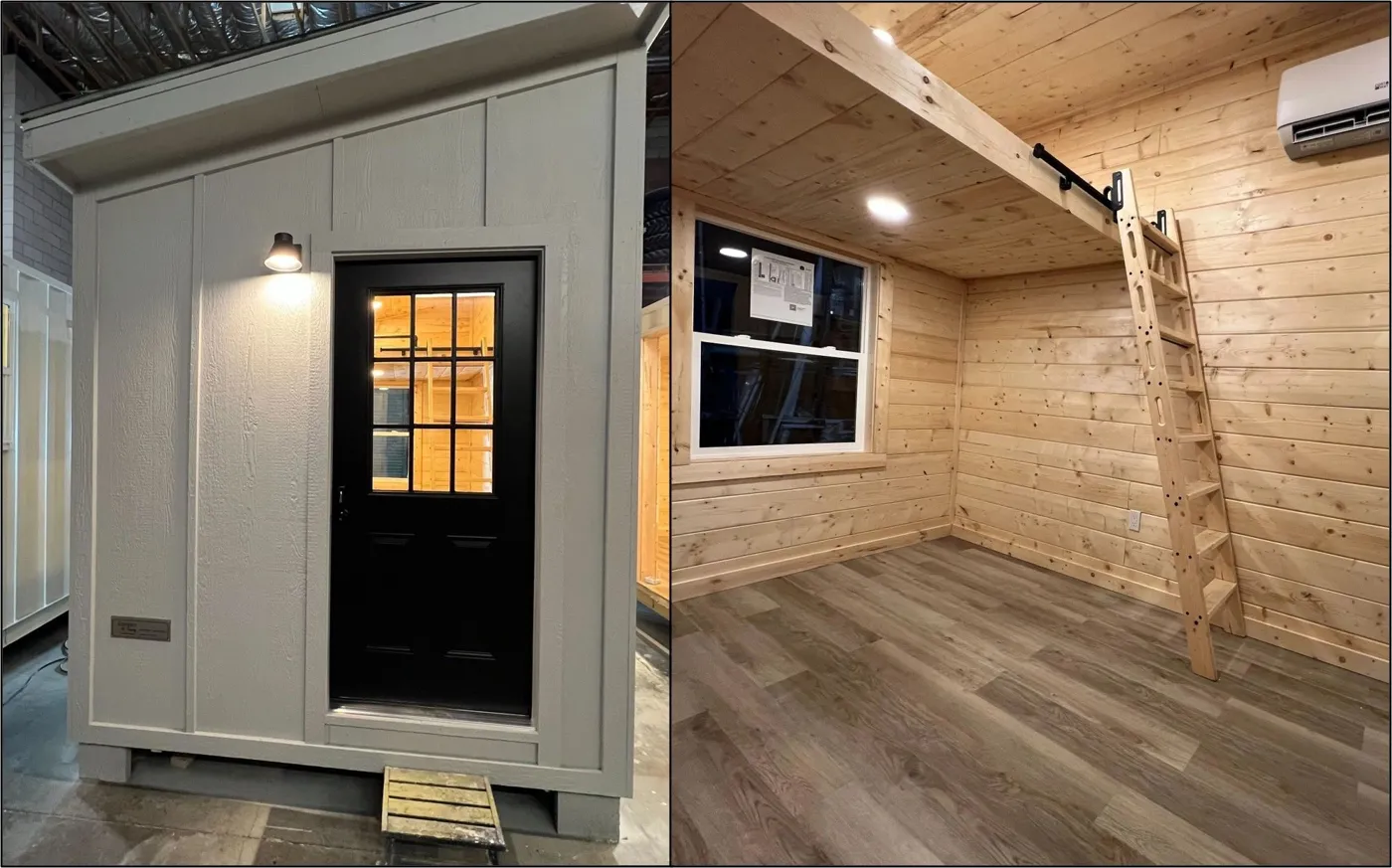
New, refurbished, built to order: what the labels actually mean.
Condition and availability language is shorthand, not specification. Here is how to read it — and what to ask instead.
Read the guide