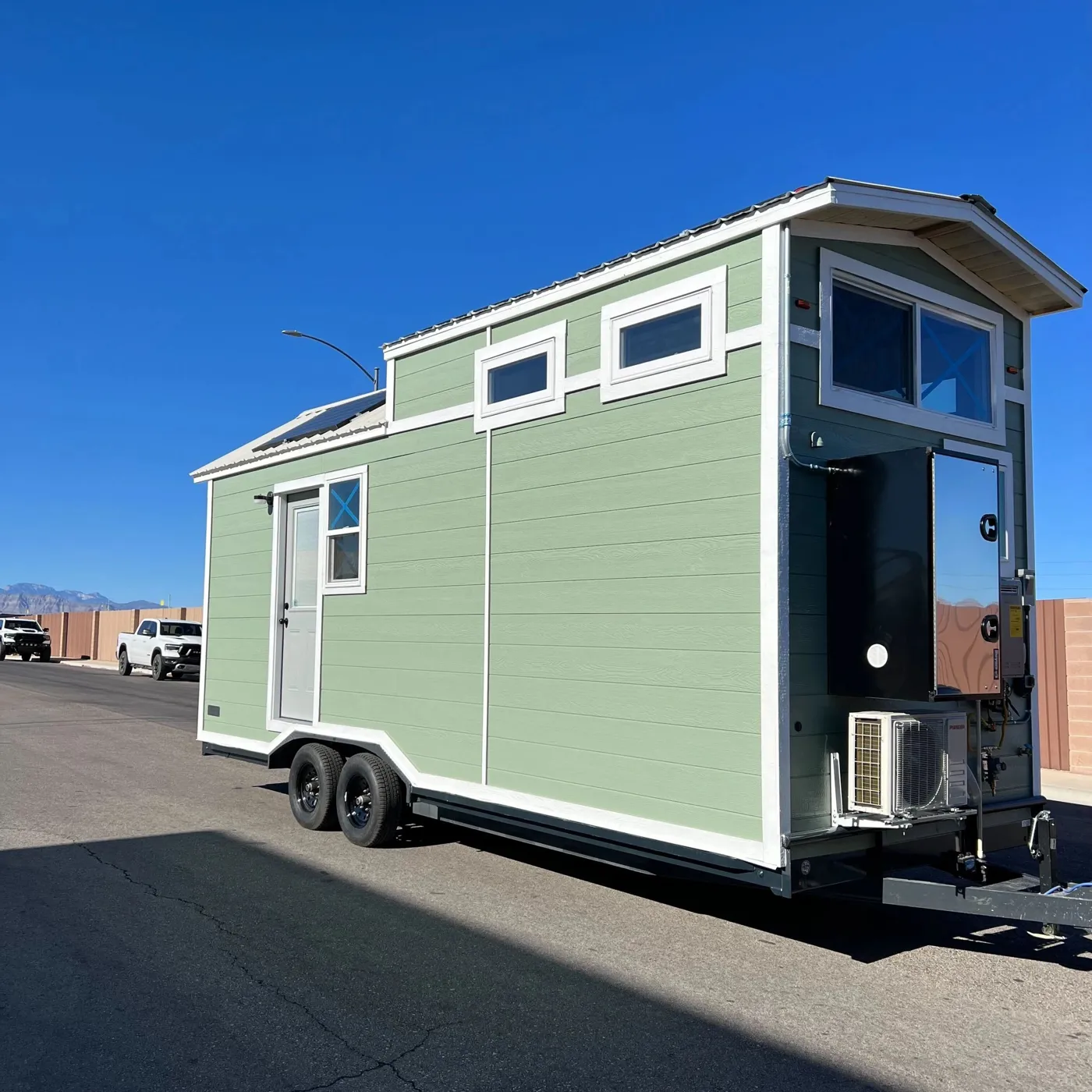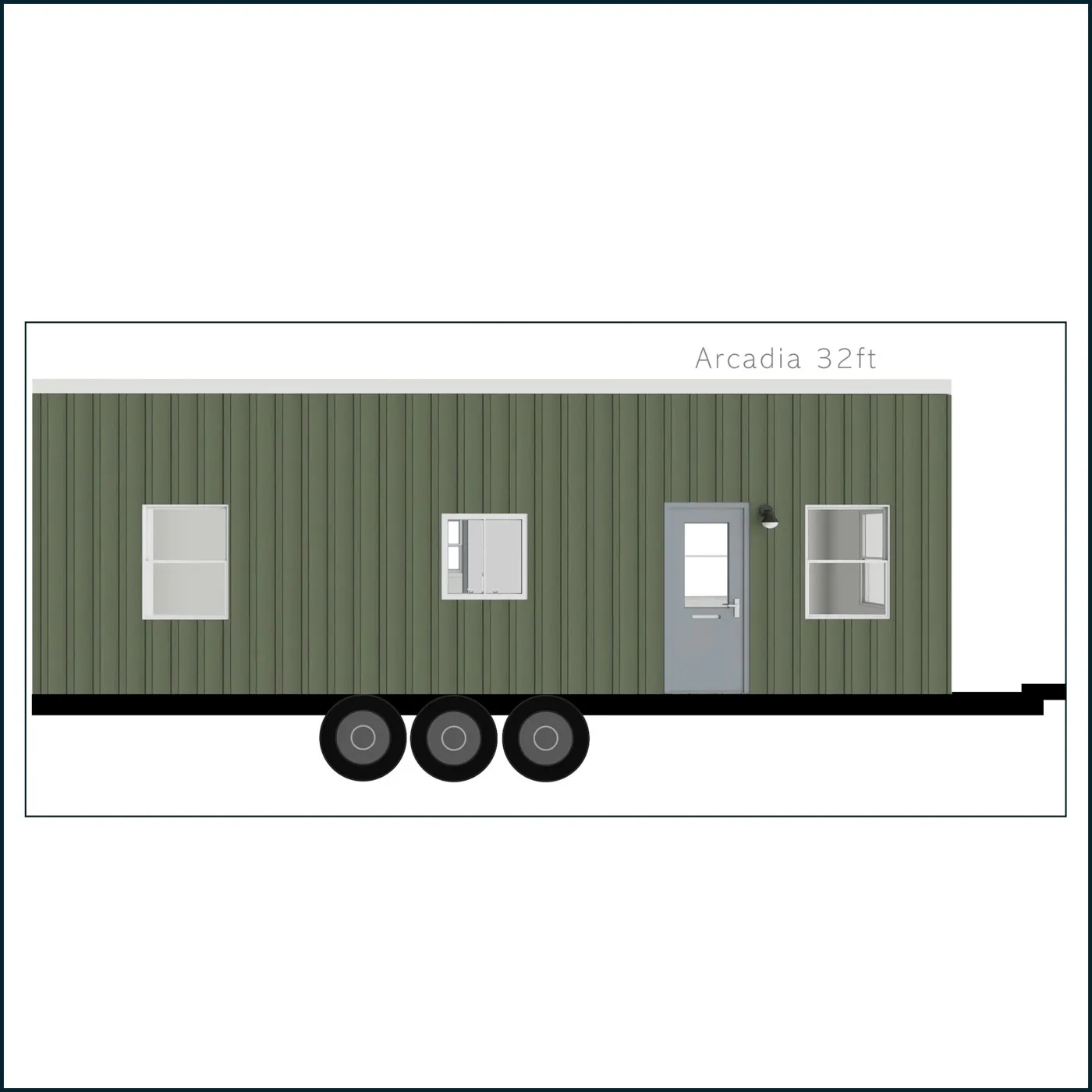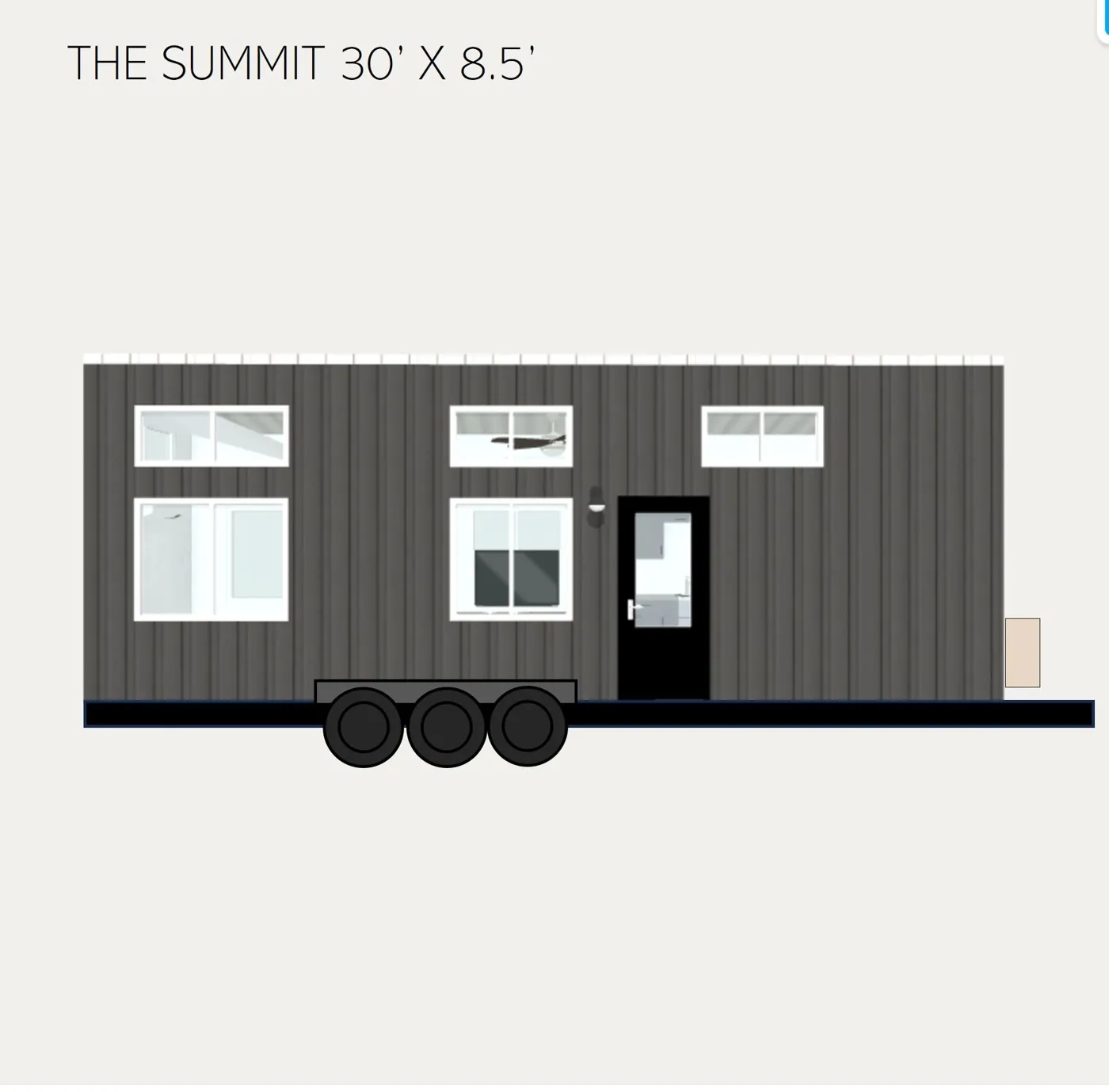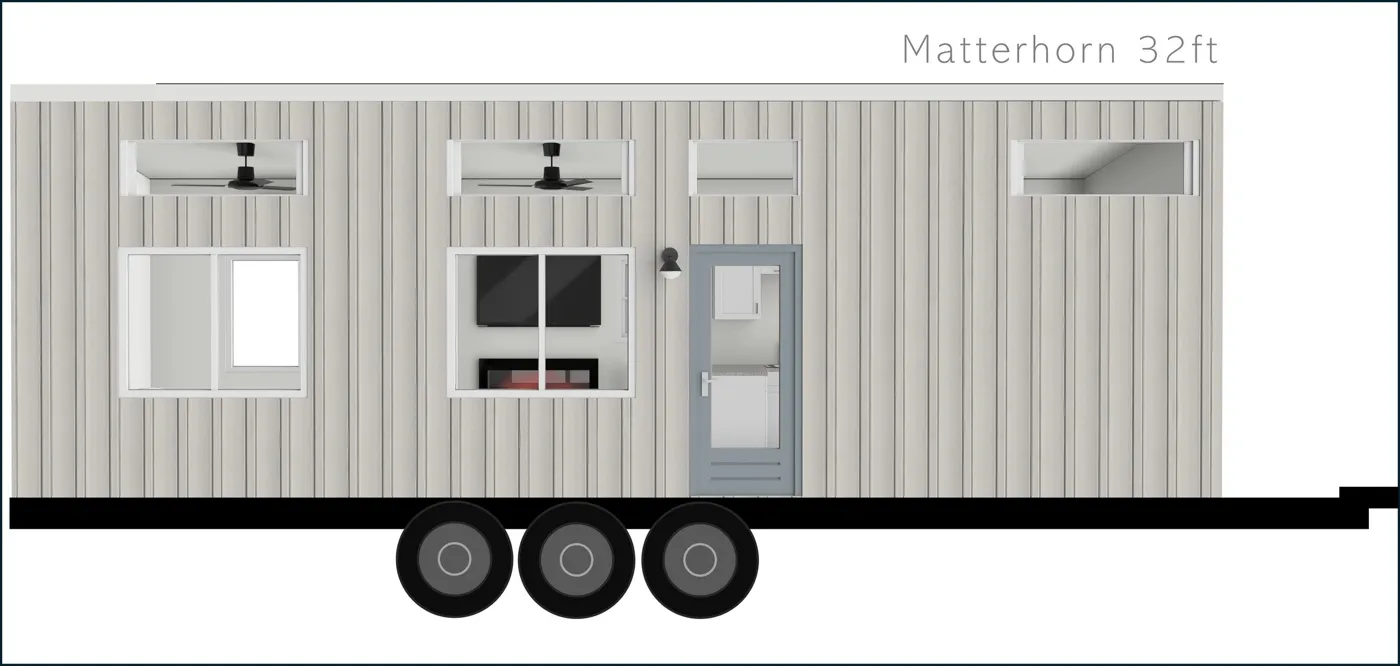
The labels are a starting point
Condition terms describe roughly where a unit sits on a scale from factory-fresh to end-of-service. They are genuinely useful for narrowing a shortlist, and they are no substitute for knowing about the specific unit you are buying. Two buildings sold under the same label can differ substantially. Always move from the label to the particular unit before you commit.
New and built to order
A new unit is manufactured for the order, which is why the lead time is longer and the finish is yours to specify — cladding colour, ceiling height, bathroom layout, which appliances are fitted. It costs the most, and for anything you intend to live in it is usually money well spent, because you are not building around someone else’s compromises. Ask for the build slot and the expected dispatch date in writing, not just the lead time in weeks.
Available stock and display units
A unit listed as available, in stock or as a display model is already built and can usually move quickly, which is the main reason to choose one. The trade is that the specification is fixed — you take the layout, the cladding and the fit-out as they are. Display units may also have been opened, walked through and handled. Expect honest cosmetic wear and judge it on whether the shell, the floor, the seals and the wet areas are sound.
Refurbished and clearance
A refurbished or clearance unit has been returned, repaired or discounted for a reason, and the listing will not always say what that reason was. It can be genuinely good value if you have seen it, you understand what is wrong with it and your use tolerates it. Ask directly what was repaired and what warranty, if any, survives — on clearance stock the answer is sometimes none. It is a poor choice sight-unseen.
What to ask about the specific unit
Current photographs of that unit, not a category image. The state of the roof, which is where water collects and where corrosion hides. The floor, including any soft spots or previous repairs. The windows and doors: do they close square, are the seals intact. The wet areas, which is where a cheap fit-out shows first. Any repairs and where. And the compliance documentation your approval will need.
Condition and warranty
Existing wear and any defects disclosed in the order or condition report are not warranty defects — they are part of what you agreed to buy. Any warranty on a used, refurbished or clearance unit has to be stated in the accepted order. Read the condition report as carefully as the price.
Matching condition to use
A permanent dwelling or anything you will rent out: buy the best condition you can, and specify it new if the timeline allows. A site office or ancillary space: available stock is usually the sensible balance. Short-term or low-stakes use where you can inspect first: clearance can be good value. Decide the use first, and let it set the condition rather than letting the price do it.
Find your next configuration.
Compare the equipment details, then tell Northern what your project needs.
Explore equipment